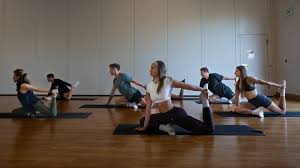
Introduction: Why Movement Is More Than Just Motion
When you think of the word movement, what’s the first thing that comes to mind? Maybe it’s the swing of a dancer’s leg, the flow of a river, or even the rise of a social cause. But here’s the truth — zis far more than just motion. It’s life itself. Everything around us, from the smallest atom to the biggest galaxy, is constantly in motion. Nothing is ever truly still.
Movement defines existence. It’s how we grow, how we evolve, and how we make change. Whether you’re talking about physical — like walking, running, or breathing — or metaphorical movement — like revolutions, art, and emotions — the concept remains deeply powerful.
In this article, we’ll dive deep into the world of “movement” — not just as a physical phenomenon, but as an idea that influences science, art, society, and the human experience itself. So, sit back, relax, and let’s explore the flow that keeps our world alive.
The Science of Movement: Everything Is in Motion
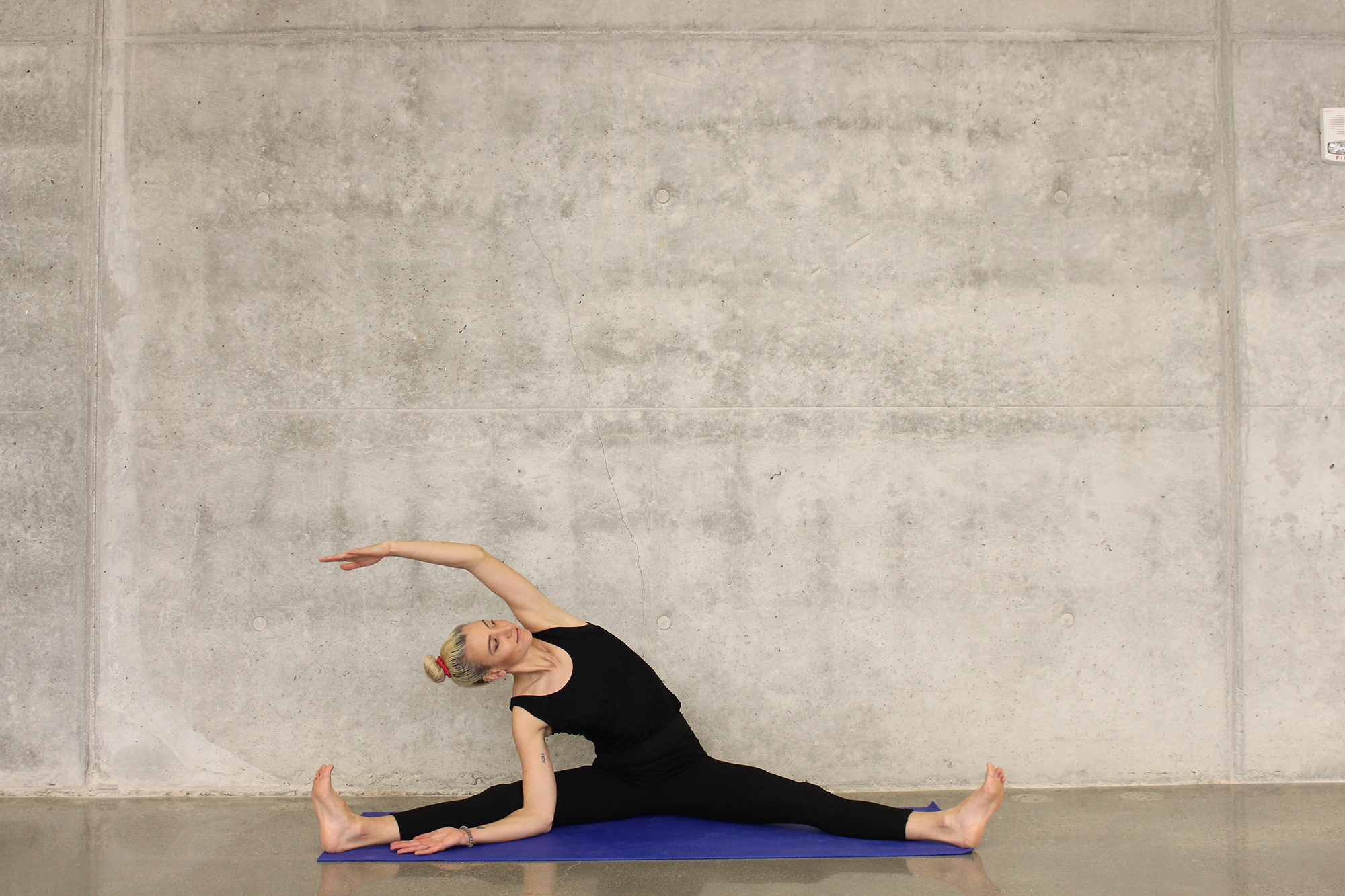
Let’s start at the most basic level — science. Physically speaking, movement is the change in position of an object over time. It’s the result of forces acting on matter, governed by the laws of physics that Sir Isaac Newton so famously defined centuries ago.
Atoms Never Stop Moving
Even when something appears to be completely still, it’s actually full of on a microscopic level. The particles inside matter — atoms, electrons, protons — are constantly vibrating and spinning. This invisible dance is what gives everything around us energy and form. Without this constant atomic motion, life as we know it wouldn’t exist.
Movement in Nature
Look around in nature — everything moves in cycles. The Earth spins on its axis, the moon orbits around us, and the tides rise and fall with rhythmic grace. The natural world thrives on motion. Trees sway in the wind, rivers flow endlessly, and animals migrate in search of better living conditions. Movement is the heartbeat of nature itself.
Human Motion: A Marvel of Engineering
Now, think about how humans move. Our ability to stand upright, walk, run, and dance is a complex biological masterpiece. The coordination between our muscles, bones, and nervous system is a perfect example of harmony through . The human body is a machine powered by motion, capable of expressing everything from raw strength to delicate emotion.
is science in action — and it’s what keeps the universe, nature, and humanity connected in one continuous flow.
Movement in Art: The Language of Expression
Artistic is something different, yet equally powerful. Artists throughout history have used movement — both literal and symbolic — to bring energy, emotion, and story into their creations.
Visual Movement in Paintings and Design
When you look at a painting or a photograph, your eyes naturally follow certain lines and shapes. This is called “visual movement.” Great artists use this technique to guide your gaze and evoke a feeling of flow. Think of Van Gogh’s Starry Night — those swirling skies are almost alive. You can feel the energy moving through the brushstrokes.
Even in modern design and digital art, visual helps keep the viewer engaged. Designers use symmetry, rhythm, and balance to make their work dynamic and memorable. Without , art would feel flat and lifeless.
Movement in Music and Dance
Music is pure movement in sound form. Rhythm, tempo, and melody all revolve around motion — from the gentle sway of a slow ballad to the explosive beat of a drum solo. Similarly, dance transforms that sound into visible, physical motion. It’s one of the oldest human art forms and perhaps the most direct expression of emotion through .
Dance is storytelling through the body. It’s not just about steps — it’s about rhythm, connection, and energy flowing between people and music. Whether it’s ballet, hip-hop, or traditional folk dance, becomes a universal language.
Art Movements That Changed History
The word movement in art also describes eras of transformation — like the Renaissance, Impressionism, or Modernism. Each artistic reshaped how people saw the world, challenging conventions and redefining beauty. These cultural shifts weren’t just about style; they represented entire changes in thought and perspective.
Movement, in art, is both literal and symbolic — it’s the pulse that keeps creativity alive.
Social Movements: The Power of People in Motion
Beyond science and art, movement also defines society. A social is when groups of people come together to push for change — to challenge injustice, demand equality, or inspire reform. It’s the collective motion of human willpower.
What Drives a Social Movement
Social are born from dissatisfaction and hope — the belief that things can and should be better. Whether it’s the fight for civil rights, women’s suffrage, or climate justice, every begins when ordinary people decide that standing still is no longer an option.
When individuals move together toward a shared goal, their momentum becomes unstoppable. This is why social movements throughout history have reshaped laws, redefined morality, and even transformed entire nations.
The Role of Leadership and Unity
No movement survives without leadership and unity. Leaders channel collective emotion into organized action. They turn ideas into strategies, protests into progress, and voices into victory. But it’s the people who sustain the energy — millions moving in one direction for a purpose larger than themselves.
Social media has made modern movements faster and more connected than ever. Hashtags, viral videos, and online campaigns have replaced pamphlets and posters, proving that doesn’t always require physical marching — digital momentum can be just as powerful.
The Ripple Effect of Change
The beauty of social movements is that their impact goes beyond the moment. Even after the protests end and headlines fade, the spirit of those movements lives on. They inspire future generations to question, to act, and to move.
The world only changes when people do — and movements are the engine of that change.
The Psychology of Movement: Mind and Motion
Movement isn’t just about muscles and crowds — it’s deeply tied to our minds. The way we move reflects how we feel, and vice versa. There’s a powerful connection between physical motion and mental well-being.
Motion and Emotion
Ever noticed how your mood affects your posture? When you’re happy, you stand tall and move freely. When you’re sad or anxious, your body becomes heavy and still. Movemnt has a direct influence on emotions — studies show that even a short walk can improve mood, reduce stress, and boost creativity.
That’s why exercise isn’t just good for your body — it’s therapy for your mind. Moving releases endorphins, the body’s natural “feel-good” hormones. It’s literally your body’s way of healing through motion.
Stillness vs. Stagnation
While stillness can be peaceful, stagnation is not. There’s a fine line between rest and resistance to growth. The psychology of movement teaches us that change — even uncomfortable change — is necessary for progress. Whether it’s learning something new, changing jobs, or healing from pain, symbolizes growth.
Mindfulness in Motion
Many practices, like yoga, tai chi, and dance therapy, use controlled to achieve mindfulness. They remind us that being “in motion” doesn’t mean being restless — it can also mean being aware, alive, and connected. , when done consciously, becomes a form of meditation.
Conclusion: Movement Is Life Itself
From the orbit of planets to the beating of your heart, is the universal language of existence. It’s the invisible thread that connects science, art, society, and the human spirit.
Movement is how we create, how we change, and how we grow. It’s the energy that drives revolutions, inspires masterpieces, and keeps the universe in balance. To move is to live — and to stop moving is, in a sense, to stop living.
So, whether you’re taking a small step forward in life, expressing yourself through dance, or standing up for something you believe in — remember this: is not just motion. It’s progress, passion, and purpose rolled into one powerful word.