Folliculitis Temporal: Causes, Symptoms, and Expert Tips to Manage It Effectively


When you run your fingers through your hair and feel tiny bumps or tenderness around the temples, it can be frustrating—and sometimes even painful. One of the most common reasons for this discomfort is folliculitis temporal, a condition where the hair follicles along the temple area become inflamed. Although it sounds technical, it’s actually very common and treatable. The tricky part is that most people mistake it for acne, dandruff, ingrown hairs, or even tension headaches.
Understanding what folliculitis temporal really is can help you take action early, prevent flare-ups, and choose the right treatment approach. Whether you’re dealing with occasional bumps or persistent inflammation, this guide breaks down everything you need to know—in simple, expert-backed language that makes sense.
What Is Folliculitis Temporal?
Folliculitis temporal refers specifically to inflammation of the hair follicles located near the temples. The temples are sensitive because the skin is thinner, and the hair density varies from person to person. When follicles here get irritated or infected, small bumps, redness, itching, or tenderness can develop. Although often mild, the irritation can spread or become recurrent if not handled properly.
This condition can happen to anyone—men, women, teens, and adults. People with oily skin, those who regularly shave the sides of their head, or individuals who wear tight headwear often experience it more frequently. Because the temple region is exposed to sweat, friction, and hair products, it’s more vulnerable than other areas of the scalp.
Most importantly, folliculitis temporal is usually harmless, but ignoring it can lead to scarring or patchy hair loss in severe cases. That’s why learning about the condition not only helps treat it but also prevents it from becoming a recurring irritation.
Common Causes of Folliculitis Temporal
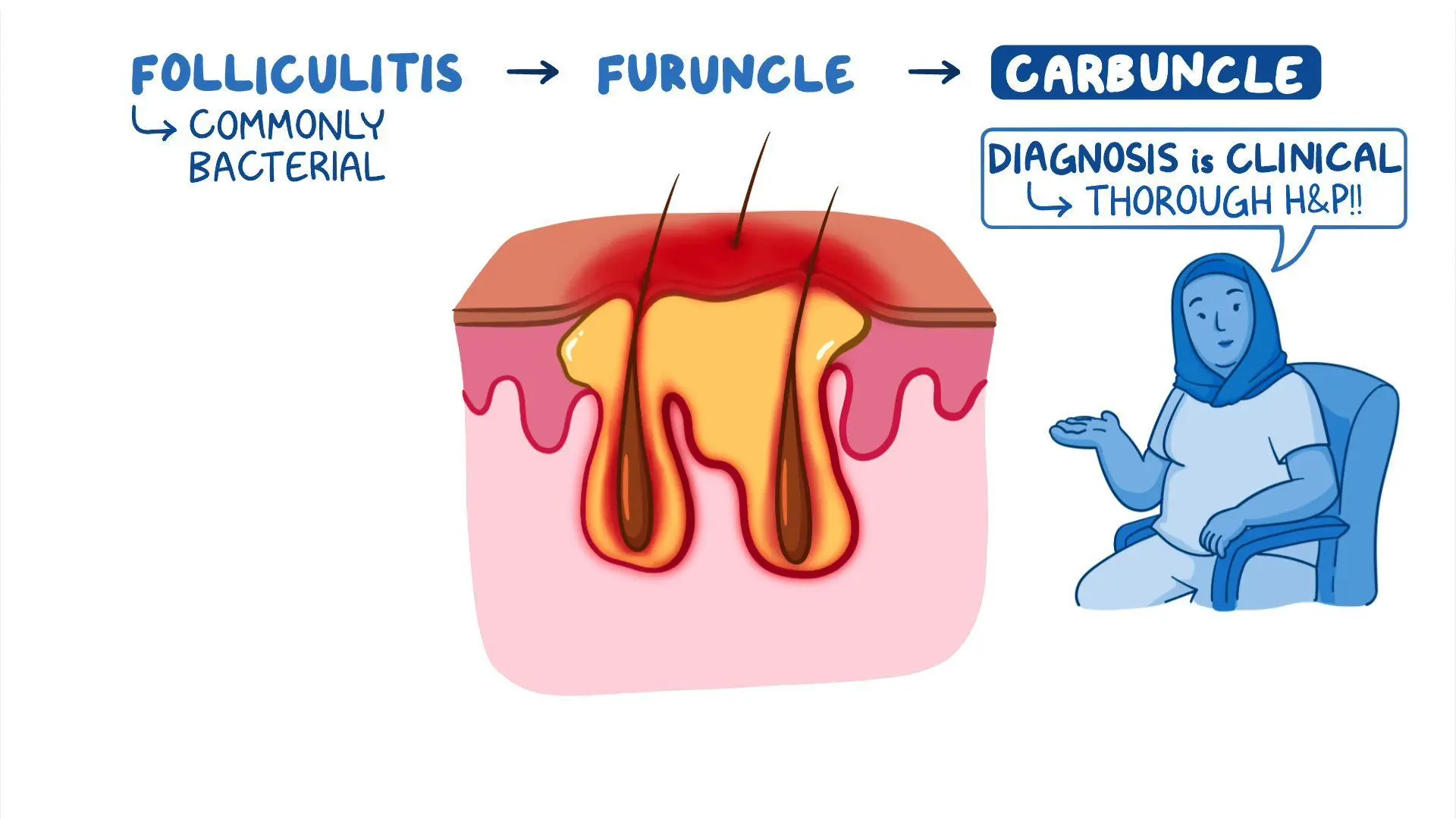
One of the biggest challenges with folliculitis temporal is that it can be triggered by multiple factors. Understanding what causes it is the first step toward managing or avoiding flare-ups. The most common cause is bacterial infection, usually from Staphylococcus aureus. When bacteria enter the skin through small nicks, clogged pores, or irritation, they infect the follicle and cause inflammation.
Another major contributor is friction. Tight helmets, headbands, hats, or even hairstyles that pull the hair around the temples can cause repeated rubbing and irritation. This weakens the follicles and makes them more prone to inflammation. That’s why athletes, bikers, and individuals who style their hair tightly often experience more temple-area irritation.
Sweat buildup is another factor that plays a huge role. The temples tend to accumulate sweat, especially during exercise or hot weather. When sweat mixes with oils, dirt, and residue from hair products, it can clog follicles and create the perfect environment for bacteria to grow. In some cases, shaving or trimming the side hair too closely can also lead to ingrown hairs, which trigger folliculitis.
Recognizing the Symptoms Early
Folliculitis temporal can show up in multiple ways, and symptoms can vary from mild irritation to more noticeable inflammation. One of the first signs people notice is small red or white bumps around the temple area. These bumps may resemble small pimples, but they tend to be more tender and sit deeper in the skin.
Another common symptom is itching or burning, especially when sweating, applying hair products, or touching the area. The irritation can become worse if you scratch or pick at the bumps, which can introduce even more bacteria and worsen the inflammation.
In more pronounced cases, the affected area may become swollen, warm, or slightly painful. Some people even report seeing pustules (tiny bumps filled with pus) or experiencing crusting if the folliculitis is chronic. Early recognition helps prevent the condition from becoming severe or spreading to other parts of the scalp.
How Folliculitis Temporal Is Diagnosed
The good news is that diagnosing folliculitis temporal is usually straightforward. Most healthcare professionals can identify it through a visual exam because the symptoms are quite recognizable. The presence of inflamed hair follicles, tenderness, and localized irritation in the temple area is often enough for diagnosis.
In cases where folliculitis keeps coming back, a doctor may take a closer look. Sometimes, a swab sample from the bumps is collected to check whether bacteria, yeast, or fungi are causing the infection. This helps determine the best treatment approach, especially if over-the-counter methods haven’t worked.
A dermatologist may also assess lifestyle factors such as shaving habits, helmet use, or hair product choices. In rare cases, persistent folliculitis can look similar to other conditions like seborrheic dermatitis or psoriasis. Getting a proper diagnosis ensures you’re treating the right issue instead of worsening it with unnecessary treatments.
Effective Treatment Options You Can Try
Treating folliculitis temporal depends on the severity of the condition. Mild cases often improve with simple home remedies, while more persistent cases may need medical treatment. One of the first steps is to keep the area clean. Using a gentle antibacterial shampoo or cleansing wash helps reduce bacteria and prevent clogged follicles.
Warm compresses can also help soothe irritation and promote drainage if there are small pustules. Applying the warm compress for 10–15 minutes a few times a day can make a noticeable difference. Many people also benefit from avoiding harsh hair products around the temple area to minimize irritation.
For more stubborn or painful folliculitis, topical antibiotics may be recommended. Creams containing mupirocin or clindamycin help target bacterial infections directly. If the infection is deeper or more widespread, oral antibiotics may be necessary. For fungal causes, antifungal shampoos or creams may be prescribed. The key is to follow the treatment consistently and avoid picking at the bumps, which can worsen the condition.
Prevention Tips to Avoid Future Flare-Ups
Preventing folliculitis temporal is often easier than treating it repeatedly. One of the best prevention methods is to avoid excessive friction. Try not to wear tight headwear for long periods, and give your skin breaks between helmet or headband use. If you shave the sides of your head, use a clean razor and avoid shaving too close to the skin.
Another effective tip is to keep sweat buildup under control. Wash your face and temples after exercise or outdoor activities, especially if you sweat easily. Using lightweight, non-greasy hair products also helps prevent clogged pores that lead to inflammation.
Regularly cleaning pillowcases, hats, helmets, and anything that comes in contact with your temples is another smart prevention step. Bacteria easily accumulate on fabrics and surfaces, and keeping them clean reduces the chance of reinfection. Consistency with hygiene habits can dramatically reduce flare-ups.
When to See a Doctor
While folliculitis temporal is usually mild and manageable at home, there are times when medical attention becomes necessary. If the condition does not improve after a week of home treatment or keeps returning frequently, consulting a dermatologist is a good idea. Persistent folliculitis may require prescription-strength medications or a specialized evaluation.
You should also seek medical advice if the bumps become very painful, spread to larger areas, or are accompanied by fever. These symptoms may indicate a more serious infection that needs immediate treatment. Scarring or hair thinning in the temple area is another reason to get professional help early.
Never hesitate to see a doctor if something feels off. Early intervention prevents complications and ensures long-term relief, especially if the underlying cause is bacterial or fungal.
Conclusion
Folliculitis temporal may be uncomfortable and inconvenient, but it’s far from untreatable. With the right understanding, early recognition, and proper care, you can manage the condition effectively and prevent it from recurring. Simple changes in hygiene habits, avoiding friction, and choosing the right hair products can make a huge difference in keeping your temples healthy and bump-free.
Whether you’ve just noticed the symptoms or have been dealing with them for a while, remember that this condition is common, manageable, and often temporary. With patience and consistency, you can get your skin back to feeling smooth and irritation-free.
You May Also Read
Top Insights From the Blog PlayBattleSquare