Military Gear: The Evolution, Function, and Power Behind the Modern Soldier


Introduction: The Backbone of the Battlefield
When you hear the term military gear, it’s easy to picture soldiers in camouflage uniforms, helmets, and body armor. But modern military equipment is far more advanced and strategic than just clothing and protection. Today’s gear combines science, technology, and design to enhance the efficiency, safety, and adaptability of armed forces around the world.
From night vision goggles that turn darkness into daylight to tactical boots engineered for extreme terrains, military gear has evolved into a fusion of functionality and innovation. Whether it’s for combat, survival, or communication, each piece of equipment serves a precise purpose.
What makes this topic so fascinating is how deeply military gear reflects human creativity under pressure. Every advancement—whether it’s a lighter armor plate or a smarter helmet—stems from lessons learned on the battlefield. And in this article, we’ll dive deep into how military gear has evolved, what makes it essential, and where it’s heading next.
1. The Evolution of Military Gear: From Bronze to Ballistic
Military gear has a history as old as warfare itself. Ancient warriors went into battle with bronze helmets, wooden shields, and metal-tipped spears. While primitive by today’s standards, these early tools represented innovation at the time—designed for maximum survival in brutal close combat.
From Knights to Gunpowder
During the medieval era, military gear took a massive leap forward with the introduction of chainmail and plate armor. Knights were essentially walking tanks, protected from sword strikes and arrows. However, when gunpowder weapons appeared in the 15th century, heavy armor became less effective. This shift forced militaries to rethink protection, mobility, and speed.
The World Wars and Modernization
By the 20th century, two World Wars accelerated gear innovation at an incredible pace. Helmets evolved from steel bowls to more ergonomic and impact-resistant designs. Soldiers began carrying standardized kits that included gas masks, medical supplies, and portable communication devices. The emphasis was no longer just on defense—it was about versatility and survival.
Today’s Tactical Era
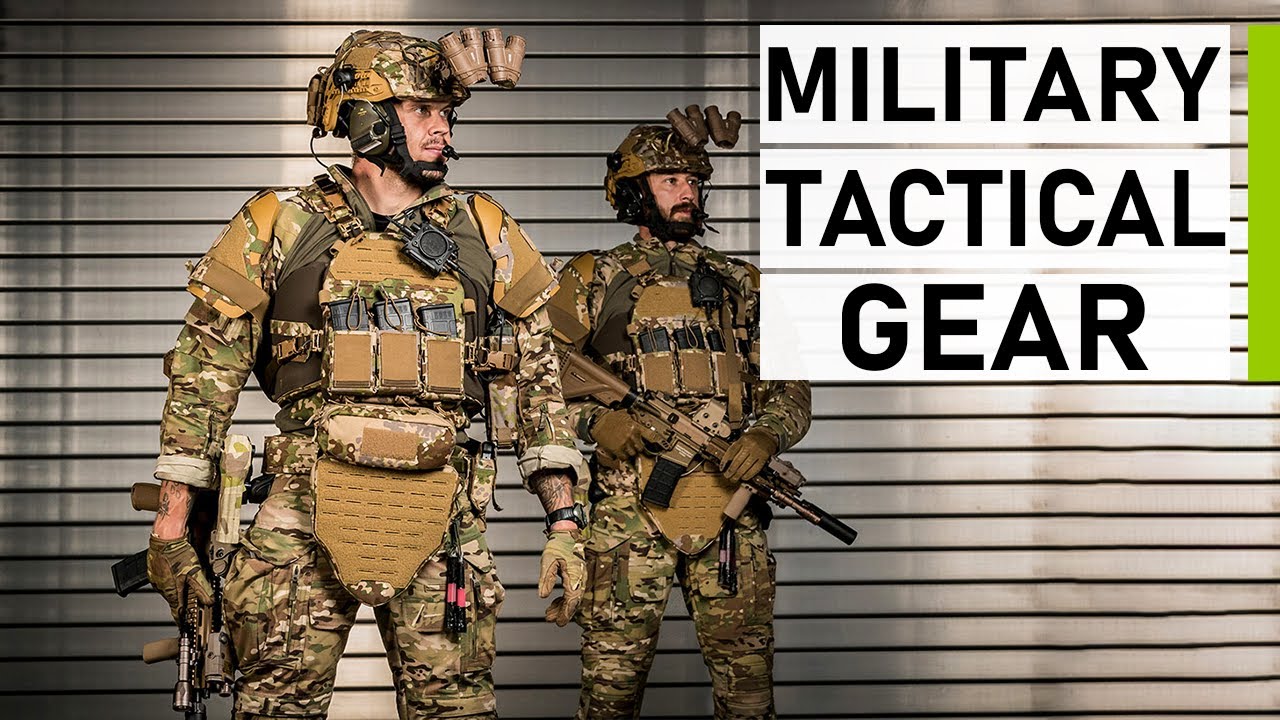
Fast-forward to the modern era, and military gear has entered the realm of high-tech warfare. Soldiers today wear body armor made from Kevlar and ceramic composites, capable of stopping bullets and shrapnel. Their uniforms are flame-resistant, moisture-wicking, and camouflage-adaptive to blend with various terrains. The transformation from heavy metal to lightweight composites has revolutionized how soldiers move, fight, and survive.
2. The Core Components of Military Gear
Military gear is not a single category—it’s a complex ecosystem of equipment working together. Let’s break down the core components that make up a soldier’s modern kit.
Body Armor and Helmets
The heart of a soldier’s protection lies in body armor. Modern armor systems include modular tactical vests with plates that can stop high-velocity rounds. These vests also come with pouches and attachments for ammunition, radios, and hydration packs. Helmets, once simple steel domes, now integrate ballistic protection, communication systems, and night vision mounts, making them both defensive and functional.
Tactical Clothing
A soldier’s uniform isn’t just about blending into surroundings—it’s about durability, comfort, and adaptability. Materials like ripstop nylon, Gore-Tex, and flame-retardant fabrics make military clothing suitable for both extreme cold and desert heat. The clothing often features multiple pockets, zippers, and reinforced seams, designed for both storage and flexibility.
Footwear and Load-Bearing Gear
Tactical boots are another crucial part of military gear. They provide ankle support, slip resistance, and breathability for long missions. Soldiers often traverse uneven terrains—mud, snow, rocks—so their boots are designed to perform under all conditions. Load-bearing gear, such as belts and harnesses, ensures that weight is evenly distributed across the body, preventing fatigue during long missions.
These basic components combine to create a system that balances protection, mobility, and efficiency—three pillars of successful modern warfare.
3. Advanced Technology: When Science Meets the Battlefield
The biggest leap in military gear over the past few decades has been the integration of technology. The battlefield has become as digital as it is physical, and gear has evolved to match.
Smart Helmets and Communication Systems
Today’s soldiers are equipped with helmets that do more than protect—they connect. Smart helmets feature built-in microphones, cameras, and augmented reality (AR) overlays that display navigation data or identify enemy positions. This gives soldiers real-time information without losing focus on their surroundings.
Night Vision and Thermal Imaging
One of the most revolutionary technologies in military gear is night vision. What began as bulky goggles during the Vietnam War has now evolved into compact, high-resolution systems that can see in pitch-black environments. Thermal imaging has added another layer, allowing soldiers to detect heat signatures through smoke or walls—a crucial advantage in both combat and rescue missions.
Exoskeletons and Wearable Robotics
While still in development stages, military exoskeletons are reshaping the concept of soldier performance. These robotic suits enhance strength, stamina, and load-carrying ability. Imagine a soldier being able to lift hundreds of pounds or run long distances without exhaustion—that’s the goal of future combat gear. It’s not just about protection anymore; it’s about enhancement.
4. The Importance of Adaptability in Military Gear
No two missions are the same, and neither is the environment. Whether operating in deserts, jungles, or urban warfare zones, soldiers rely on gear that can adapt instantly.
Environmental Versatility
Modern gear must withstand extreme temperatures, sandstorms, heavy rain, and snow—all without hindering mobility. Military designers focus on modular systems—gear that can be adjusted or customized based on mission type. This adaptability ensures soldiers remain efficient regardless of climate or terrain.
Lightweight Efficiency
Gone are the days of heavy, clunky armor. Today’s soldiers operate with precision, and weight reduction has been a priority. The introduction of lightweight ballistic materials, like Dyneema and carbon composites, allows soldiers to carry more ammunition and tools without being weighed down.
Quick Deployment and Customization
Military gear now emphasizes quick deployment—gear that can be worn, adjusted, or detached in seconds. Velcro, MOLLE systems (Modular Lightweight Load-Carrying Equipment), and magnetic clips have revolutionized how soldiers organize and access their equipment. The more efficiently they can gear up, the faster they can respond to threats.
5. The Civilian Influence: Tactical Gear Beyond the Military
Interestingly, military gear has become increasingly popular among civilians. Outdoor enthusiasts, survivalists, and law enforcement officers often use equipment inspired by military design.
Tactical Everyday Carry (EDC)
Items like tactical backpacks, flashlights, and utility belts are now everyday essentials for many civilians. These products, originally designed for military use, are valued for their durability, efficiency, and practicality. Whether it’s a journalist in a conflict zone or a hiker in the wilderness, military-grade gear ensures reliability.
Fashion Meets Function
In recent years, military aesthetics have influenced fashion. Camouflage jackets, combat boots, and tactical vests have become style statements. Brands blend functionality with design, proving that military-inspired clothing can look good while remaining practical.
Survival and Preparedness Culture
The rise of survival culture has also fueled interest in military gear. People are increasingly drawn to the idea of being prepared for emergencies—natural disasters, blackouts, or outdoor adventures. Military-grade flashlights, first aid kits, and multitools have become staples for those who value readiness.
6. The Future of Military Gear: Where Innovation Marches Next
Looking ahead, the future of military gear lies in smart integration and human enhancement. Artificial intelligence, data networks, and nanotechnology are set to redefine how soldiers operate.
AI Integration
Artificial intelligence is being used to analyze real-time battlefield data, helping soldiers make split-second decisions. AI-enabled visors could soon display vital statistics, maps, or even enemy movements directly within a soldier’s line of sight.
Biometric Monitoring
Future gear will monitor a soldier’s vital signs—heart rate, hydration, fatigue—and alert medics or commanders if someone is in distress. This data-driven approach could save countless lives by improving medical response times.
Sustainable Materials
As global awareness of environmental impact grows, militaries are investing in eco-friendly and sustainable materials. Gear made from recycled or renewable sources could soon become the norm, without compromising strength or performance.
The soldier of the future won’t just carry technology—they’ll wear it, becoming a living extension of the networked battlefield.
Conclusion: More Than Just Armor
Military gear is more than helmets and uniforms—it’s a reflection of human evolution, creativity, and resilience. Every piece, from a simple combat boot to a satellite-linked helmet, tells a story of adaptation and survival. The constant innovation in this field ensures that soldiers are not only protected but also empowered to perform at their best.
As technology continues to advance, the line between man and machine blurs further. The future of military gear isn’t just about defense—it’s about enhancing capability, ensuring safety, and redefining what it means to be battle-ready. Whether on the front lines or in civilian life, the influence of military gear is undeniable. It’s a symbol of progress, strategy, and strength that continues to evolve with every generation.